


Tree Plantation: A Gift to the Planet, Communities, and Future Generations
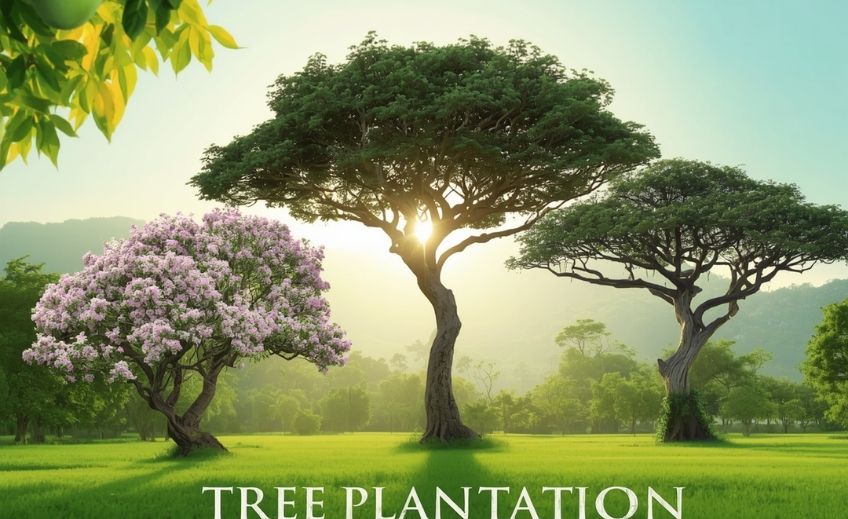
Tree Plantation: A Gift to the Planet, Communities, and Future Generations
In a world increasingly affected by climate change, biodiversity loss, and environmental degradation, planting a tree has become one of the most meaningful actions an individual or organization can take. A tree is not merely a plant rooted in the soil; it is a living investment in cleaner air, healthier ecosystems, stronger communities, and a more sustainable future.
Many people today are searching for sustainable alternatives to traditional gifting. This has given rise to an important question: Can tree plantation be a meaningful gift? The answer is a resounding yes. Unlike conventional gifts that may lose their value over time, a tree continues to create positive environmental impact for decades. It symbolizes growth, hope, responsibility, and a lasting commitment to the planet.
Tree plantation projects offer benefits that extend far beyond carbon absorption. Trees improve soil fertility by adding organic matter, help prevent soil erosion through their root systems, support groundwater recharge by increasing water infiltration, and provide habitat for birds, pollinators, and wildlife. Native fruit-bearing trees such as Mango, Jamun, Amla, Mahua, and Tamarind further strengthen biodiversity while creating livelihood opportunities for rural and tribal communities.
However, successful restoration is not simply about planting the highest number of saplings. Community participation plays a critical role. When local communities are involved in planning, planting, monitoring, and protecting trees, survival rates improve significantly. Community-based plantation projects create a sense of ownership and ensure that environmental restoration continues long after the plantation drive is completed.
Aadivasi.org supports meaningful social and environmental causes through initiatives such as tree plantation, midday meal programs, tribal children's education, and women's hygiene. These efforts contribute towards several Sustainable Development Goals (SDGs), including Good Health and Well-being (SDG 3), Quality Education (SDG 4), Gender Equality (SDG 5), and Climate Action (SDG 13). As a token of appreciation, supporters receive handmade tribal gifts that celebrate indigenous craftsmanship while encouraging positive social impact.
IMPCA Services Private Limited and AWF support broader sustainability initiatives focused on tree plantation, carbon offset programs, biodiversity conservation, ecological restoration, groundwater recharge, livelihood generation, women’s training and employment, and environmental stewardship. Their work contributes to multiple SDGs, including Decent Work and Economic Growth (SDG 8), Climate Action (SDG 13), Life Below Water (SDG 14), Life on Land (SDG 15), Clean Water and Sanitation (SDG 6), and Sustainable Communities (SDG 11).
Together, these initiatives demonstrate how environmental conservation, community development, and sustainable livelihoods can create long-term benefits for both people and the planet.
As businesses and individuals search for the best corporate gifting ideas, sustainable gifting options, carbon offset projects, and impactful CSR activities, tree plantation stands out as a solution that benefits everyone. It supports nature, empowers communities, improves ecosystems, and leaves behind a legacy that future generations can enjoy.
A gift may last for a moment, but a tree can create value for decades.
Frequently Asked Questions
1. Can tree plantation be a meaningful gift?
Yes. Tree gifting creates a lasting environmental impact and symbolizes growth and sustainability.
2. Can companies sponsor large-scale plantation projects?
Yes. Many organizations support plantation projects through CSR, ESG, and sustainability initiatives.
3. What is a community-based plantation project?
It is a plantation initiative where local communities actively participate in planning and protection activities.
4. How many trees can be planted on one acre of land?
The number depends on species selection, spacing requirements, and project objectives.
5. Which trees grow fastest in India?
Growth rates vary by region, climate, and species. Native suitability is often more important than growth speed.
6. Are fruit trees good for plantation projects?
Yes. Fruit trees support biodiversity, nutrition, wildlife, and local livelihoods.
7. What are the benefits of native fruit trees?
They support pollinators, improve food security, and strengthen local ecosystems.
8. How does Aadivasi.org support tree plantation?
Aadivasi.org supports biodiversity-focused plantation projects while empowering tribal communities through sustainable livelihoods.
9. What is sustainable corporate gifting?
Sustainable corporate gifting focuses on gifts that create environmental and social impact rather than waste.