


Sustainable Products: Supporting the Environment, Tribal Livelihoods and Indian Culture
Sustainable Products: Supporting the Environment, Tribal Livelihoods and Indian Culture
Sustainability is becoming an important part of the way we live, work and make everyday choices. From the products we use to the way they are made, our choices can have an impact on the environment and the communities behind those products. In India, sustainable and handmade products offer a meaningful way to support nature while promoting traditional skills and livelihoods.
Many traditional Indian handicrafts are made using natural and locally available materials such as bamboo, jute, clay, natural fibres and other sustainable resources. Products such as terracotta items, bamboo crafts, jute bags and traditional paintings can provide alternatives to mass-produced products while helping reduce dependence on plastic and other materials that create long-term waste.
Supporting Tribal and Rural Livelihoods
India has a rich tradition of handicrafts, with many tribal and rural communities depending on traditional skills for their livelihoods. However, artisans often face challenges such as limited market access, changing consumer preferences and competition from machine-made products.
Promoting handmade and sustainable products can help create better market opportunities for these artisans. When customers purchase such products, they are not only buying an item but also supporting the skill, time and effort of the person who created it.
This can contribute to income generation and encourage artisans to continue their traditional occupations. It can also create opportunities for women and young people in rural and tribal communities.
Preserving India's Cultural Heritage
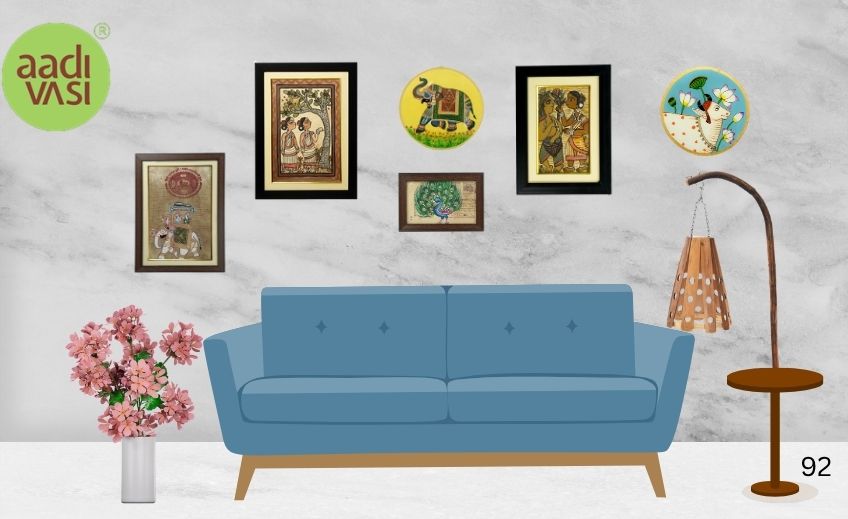
India's handicrafts represent the country's diverse cultural heritage. Traditional art forms such as Warli, Gond, Pattachitra, Dokra and terracotta reflect the history, creativity and identity of different communities.
However, traditional art forms can gradually disappear if younger generations do not see opportunities to continue these practices. Creating demand for handmade products can encourage artisans to pass their knowledge and skills from one generation to the next.
Every handmade product therefore carries more than its physical value—it carries a story, a tradition and a connection to the community that created it.
The Role of Aadivasi.org
Aadivasi.org brings together the idea of supporting a cause and receiving a handcrafted product as a return gift. It is an ImpactCommerce® platform that connects contributions with social and environmental causes while promoting handmade products.
Through its model, supporters can contribute towards causes such as tree plantation, mid-day meals for tribal children, education for tribal children and women's hygiene. In return, they receive a handcrafted product of the same contribution value.
The handcrafted products featured through Aadivasi.org help bring greater visibility to traditional Indian crafts and the artisans behind them. This creates an opportunity to connect environmental and social impact with India's rich handicraft traditions.
Making Every Choice More Meaningful
Choosing sustainable products is not only about buying something different. It is about understanding where a product comes from, who made it and what impact that choice can create.
When we support handmade and sustainable products, we can contribute to environmental responsibility, livelihood generation and the preservation of India's cultural heritage.
Aadivasi.org aims to make this connection more meaningful by bringing together causes, handcrafted products and impact. Because when a product carries a story and a purpose, even a simple purchase can become a way to support people, culture and the planet.