


More Than an Exhibition: How the Tribal Arts Festival Seeks to Redefine Indigenous Art
More Than an Exhibition: How the Tribal Arts Festival Seeks to Redefine Indigenous Art
New Delhi is set to witness a powerful celebration of India’s living heritage as the Union Ministry of Tribal Affairs launches the country’s first national-level Tribal Arts Festival from March 2 to March 13. Hosted at the iconic Travancore Palace, this 12-day festival aims to spotlight tribal art, culture, and livelihood generation for indigenous artists across India.
Bringing together over 100 master artists and emerging tribal creators, the festival will showcase more than 1,000 artworks spanning over 30 traditional art forms. Visitors can experience live painting demonstrations, workshops, cultural performances, folk storytelling, and panel discussions — all designed to present tribal art not as museum artifacts, but as vibrant, evolving traditions.
Speaking to ETV Bharat, officials from the Ministry highlighted that this is the first time such a large-scale national platform is being created exclusively for tribal artists. Entry for the public will be free (with registration), enabling direct interaction between artists and audiences — a crucial step toward recognition and fair appreciation.
At its heart, the festival seeks to unite India’s diverse tribal voices on one powerful platform, showcasing stories, creativity, and craftsmanship that have been passed down through generations.
Building Markets for Tribal Products
Beyond exhibitions, the Ministry has also undertaken several initiatives to strengthen market access for tribal communities. Financial support is provided to State Governments and TRIFED to organise festivals and exhibitions where artisans can directly display and sell their products.
Additional assistance helps empanel tribal suppliers — including individual artisans, Self-Help Groups (SHGs), and NGOs — ensuring wider reach and fairer opportunities. TRIFED also conducts Tribal Artisan Melas at district and tehsil levels, especially in remote regions, allowing artisans to present their work through direct sourcing platforms.
These efforts aim to reduce dependency on middlemen while creating sustainable income channels for indigenous creators.
Expert Perspective: Visibility Must Lead to Livelihood
Sharing his views with ETV Bharat, Dr. Bikrant Tiwary, founder of aadivasi.org India’s first impact-commerce platform — welcomed the initiative as both timely and necessary.
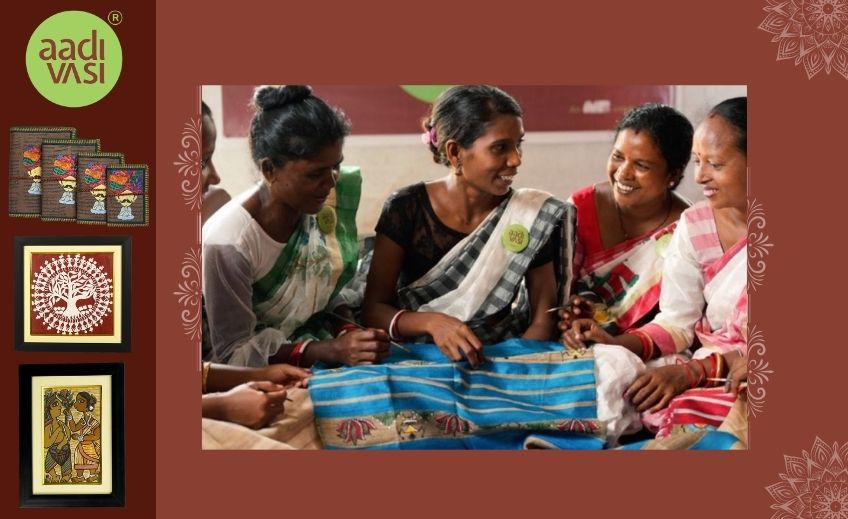
Through aadivasi.org, Dr Tiwary supports four key causes: tribal children’s education, mid-day meals, tree plantation, and women’s hygiene. Donors contributing to any of these causes receive handmade tribal products as return gifts — a token of appreciation that simultaneously empowers artisans by promoting their work online and creating direct livelihood opportunities.
“This is a positive and much-needed initiative,” Dr Tiwary said. “Platforms like this tell the country that tribal art is not craft from the margins, but living culture, design intelligence, and storytelling.”
He emphasized that bringing master artists and young creators to a national stage like Delhi offers visibility, pride, and recognition many artists rarely experience in their lifetimes.
“When tribal art is seen, valued, and respected, it strengthens cultural identity and encourages younger generations to continue their traditions instead of abandoning them for survival jobs. But visibility alone is not enough.”
According to Dr Tiwary, sustainable livelihoods depend on three critical factors:
-
Fair and direct income: Artists must earn meaningfully through transparent pricing and direct payments, without exploitation by intermediaries.
-
Long-term market linkages: Support for e-commerce, design collaborations, bulk buyers, and institutional partnerships is essential so income continues beyond festivals.
-
Capacity building: Many talented artists need guidance in branding, digital literacy, quality control, and understanding urban markets.
He also stressed the importance of protecting tribal intellectual property, ensuring commercial reproductions benefit original communities.
“In short, the Tribal Arts Festival is a strong cultural step. But for real impact, it must be paired with long-term economic support.”
A Cultural Movement, Not Just an Event
More than an exhibition, this festival represents a growing movement to reposition indigenous art at the center of India’s cultural and economic narrative. By blending heritage with opportunity, it opens doors for artists to be seen, heard, and fairly rewarded.
As India celebrates its tribal creativity on a national stage, the hope is that this momentum translates into year-round support — preserving traditions while building dignified livelihoods for generations to come.