


Makar Sankranti: A Festival of Harvest, Gratitude, and Togetherness Across India
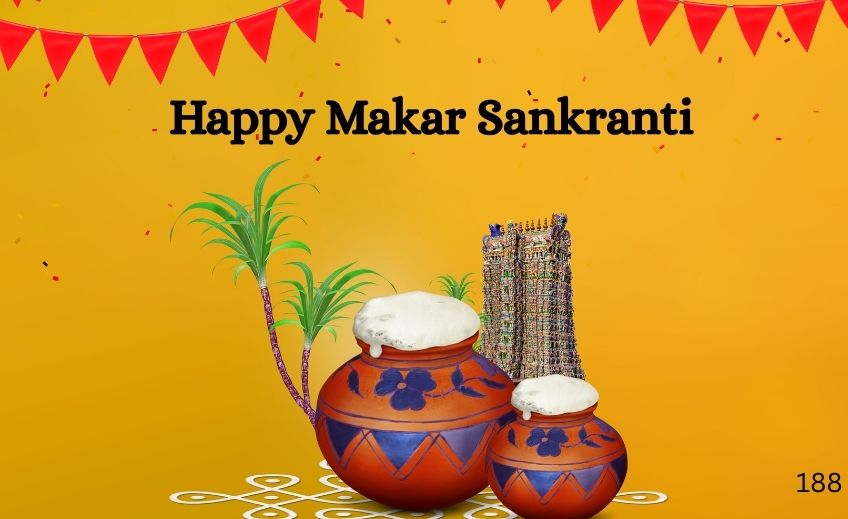
Makar Sankranti marks the auspicious transition of the Sun into the zodiac sign of Capricorn, symbolizing longer days, renewed energy, and the beginning of a prosperous harvest season. Celebrated in mid-January, this festival is deeply rooted in agrarian traditions and reflects India’s rich cultural diversity, with each region observing it in its own unique way.
In Gujarat, Makar Sankranti is famously known as Uttarayan, when the sky comes alive with vibrant kites. Families gather on terraces, share festive meals, and celebrate unity under a colorful canopy. In Assam, the festival is called Magh Bihu, a time of community feasts, bonfires, and traditional games that honor the end of the harvesting season. Andhra Pradesh celebrates it as Pedda Panduga, focusing on farm prosperity, cattle worship, and gratitude to nature.
In Tamil Nadu, the four-day Pongal festival centers around cooking sweet Pongal using newly harvested rice. Homes are adorned with fresh mango leaves and intricate kolams, while cattle are worshipped as symbols of agricultural life. In West Bengal, Poush Sankranti or Poush Parbon highlights seasonal change through food and faith. Bengalis prepare various types of pithe (rice flour delicacies), enjoy Chire-Dahi, perform Lakshmi Puja, and often head out for picnics or large fairs like the Gangasagar Mela.
In Jharkhand, Makar Sankranti is known as Khichdi Parwa, marked by holy river baths, folk songs like Tusu, women-led dances, local melas, and simple yet soulful meals of khichdi and chokha. Similarly, Bihar celebrates it as Khichdi, with rituals dedicated to the Sun God, kite flying, and sharing traditional dishes such as Dahi-Chura, til sweets, and papad among communities.
This beautiful diversity of celebrations also connects seamlessly with aadivasi.org, India’s first impact-commerce platform. The festival of harvest reminds us of the hands that create with care. Tribal women across regions craft exquisite handmade products—bamboo items from Assam, Dokra and terracotta art from West Bengal, and Sabai grass products from Jharkhand—each reflecting regional heritage and sustainable livelihoods.
This Makar Sankranti, gifting can carry deeper meaning. By supporting any one of aadivasi.org’s four social causes, a contribution of ₹200 (1 unit) not only creates impact but also brings a handcrafted gift of equal value. It’s a thoughtful way to celebrate new beginnings, support indigenous artisans, and share prosperity—true to the spirit of the festival.
Visit aadivasi.org today.