


Bamboo in India and the World: A Natural Treasure Growing Everywhere
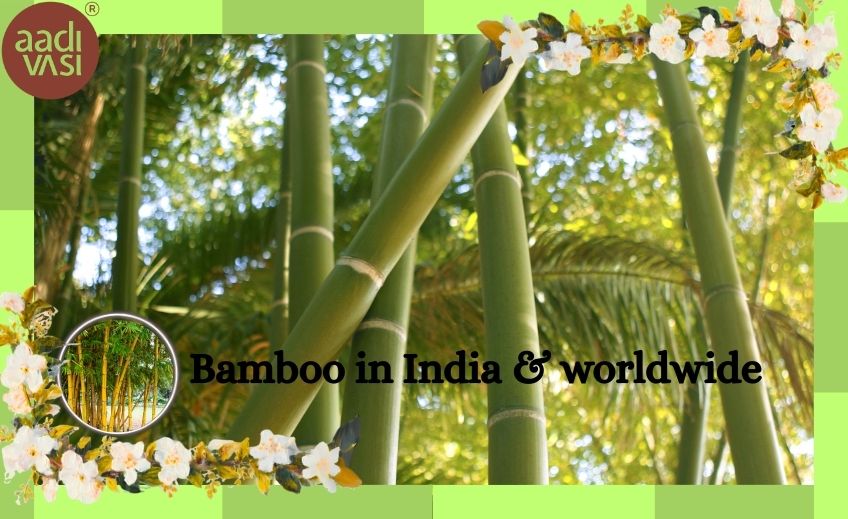
Bamboo in India and the World: A Natural Treasure Growing Everywhere
Bamboo is often called “Green Gold,” and for good reason. This fast-growing, versatile grass has supported human life for centuries. From rural homes to modern eco-architecture, bamboo plays a quiet but powerful role in sustainable development. When we look at its global presence, the numbers are both impressive and inspiring.
Bamboo Species Worldwide
Across the globe, there are approximately 1,600 to 1,700 bamboo species, spread across more than 120 genera. Bamboo grows naturally in tropical, subtropical, and temperate regions, especially in Asia, Africa, and the Americas.
Asia is the heartland of bamboo diversity. Countries like China, India, Indonesia, and Thailand have vast bamboo forests that support both ecology and livelihoods. Among them, China leads the world in commercial bamboo production, processing, and export. From bamboo flooring to paper and furniture, China has successfully transformed bamboo into a global industry.
What makes bamboo truly remarkable is its ability to grow rapidly while improving the environment. Some species can grow several feet in a single day. It absorbs carbon dioxide efficiently, releases more oxygen compared to many trees, and helps prevent soil erosion.
🇮🇳 Bamboo in India
India is one of the richest countries in terms of bamboo diversity. The country is home to around 125 to 136 bamboo species, belonging to nearly 23 genera. This makes India one of the most important bamboo-growing nations in the world.
The North-East region of India holds the highest concentration of bamboo species. States like Assam, Tripura, Mizoram, and Manipur depend heavily on bamboo for housing, handicrafts, tools, and daily-use products. Bamboo is deeply connected to tribal culture and rural traditions.
Interestingly, India accounts for nearly 30% of the world’s bamboo-growing area, yet the commercial potential is still growing. With increasing awareness about sustainable materials, bamboo is slowly gaining recognition as a green alternative to plastic, steel, and even timber.
A Sustainable Future with Bamboo
Whether in India or worldwide, bamboo represents resilience and sustainability. It grows quickly, regenerates naturally after harvesting, and requires minimal chemical input. Beyond numbers and statistics, bamboo tells a story of harmony between people and nature.
In a time when the world is searching for eco-friendly solutions, bamboo stands tall not just as a plant, but as a promise for a greener future.